

In the realm of modern business practices, adherence to e-invoicing guidelines is paramount for establishments in Malaysia seeking operational efficiency and compliance.
This concise yet informative article delves into the regulatory requirements sap software, benefits, and best practices associated with e-invoicing adoption in Malaysia.
By exploring the electronic invoicing process overview and storage guidelines, businesses can navigate the landscape of e-invoicing with confidence and ensure seamless implementation for enhanced operational effectiveness.

Regulatory Compliance Requirements
The regulatory compliance requirements for e-invoicing in Malaysia mandate strict adherence to established guidelines and standards. These regulations aim to ensure the authenticity, integrity, and confidentiality of electronic invoices, promoting trust and security in digital transactions erp system malaysia. Adhering to these guidelines helps businesses operate ethically and transparently while fostering a conducive environment for e-commerce growth.
Companies must comply with the Malaysian government’s stipulations regarding invoice content, format, storage, and transmission methods to avoid penalties and legal repercussions. By following these standards, organizations can streamline their invoicing processes, reduce errors, and enhance efficiency. Embracing regulatory compliance not only safeguards businesses against potential risks but also cultivates a culture of responsibility and accountability in the e-invoicing landscape.
Electronic Invoicing Process Overview
Continuing from the regulatory compliance requirements, businesses in Malaysia must understand the electronic invoicing process overview to effectively implement e-invoicing systems.
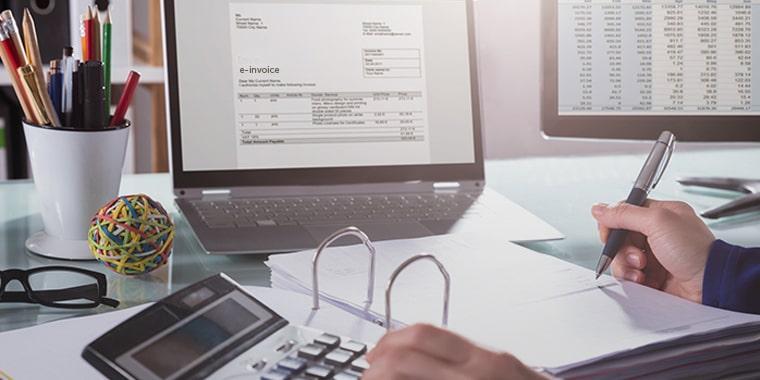
The electronic invoicing process involves the generation, transmission, and reception of invoices in a digital format, eliminating the need for paper-based documentation. Initially, an electronic invoice is created using dedicated software or online platforms, ensuring all necessary details are accurately included.
Subsequently, the invoice is securely transmitted to the recipient through a designated electronic network, guaranteeing data privacy and integrity. Upon receipt, the recipient processes the electronic invoice, verifying the information and initiating payment electronically.
Understanding this streamlined process is crucial for businesses transitioning to e-invoicing, as it enhances efficiency, reduces errors, and promotes sustainability.
Benefits of E-Invoicing Adoption
One significant advantage of adopting e-invoicing in Malaysia is the streamlined processing of financial transactions. By digitizing the invoicing process, businesses can enjoy quicker payment cycles, reduced errors, and improved cash flow management. E-invoicing also promotes cost savings through decreased paper usage, printing, and postage expenses.
Moreover, the automation of invoicing tasks enhances efficiency and productivity within organizations, allowing employees to focus on more strategic activities. Additionally, e-invoicing fosters better transparency and compliance with regulatory requirements. With the accessibility of real-time tracking and monitoring of invoices, businesses can make informed decisions promptly.
Embracing e-invoicing not only modernizes financial operations but also contributes to a more sustainable and environmentally friendly business environment.
Storage and Retention Guidelines
Building upon the benefits of e-invoicing adoption in Malaysia, businesses must adhere to specific storage and retention guidelines to ensure compliance and efficient record-keeping practices.
The Malaysian Customs Department mandates that all electronic invoices must be stored in their original format for a period of seven years. It is crucial for businesses to implement secure storage systems that guarantee the integrity and authenticity of these electronic documents.
Utilizing cloud-based solutions or digital archiving services can offer convenience and accessibility while ensuring data protection. By following these storage and retention guidelines, businesses not only meet regulatory requirements but also streamline their invoicing processes, reduce paperwork, and enhance overall operational efficiency in a digital environment.
Implementation Best Practices
To effectively implement e-invoicing in Malaysia, businesses should prioritize thorough training and integration of e-invoicing systems with existing accounting processes.
Training employees on the new system’s functionalities, security measures, and compliance requirements is crucial for a smooth transition.
Additionally, integrating e-invoicing with existing accounting software ensures seamless data flow and reduces the risk of errors.
It is also essential to establish clear communication channels for addressing any issues that may arise during the implementation phase.
Conclusion
In conclusion, adopting e-invoicing in Malaysia is essential to comply with regulatory requirements, streamline invoicing processes, and benefit from improved efficiency and cost savings.
Following storage and retention guidelines, along with implementing best practices, can ensure successful e-invoicing implementation.
It is crucial for businesses in Malaysia to embrace e-invoicing to stay competitive in the digital economy and enhance overall business operations.