

Delve into the rich tapestry of Chinese culture through the lens of language learning. Uncover the historical significance of Chinese characters o level chinese tuition. Navigate the intricacies of Mandarin pronunciation, and immerse yourself in traditional calligraphy and art.
Explore the nuances of etiquette and social customs. Gain insights into the vibrant festivals and celebrations that shape Chinese society. Embark on a transformative journey of cultural discovery through the exploration of the Chinese language.
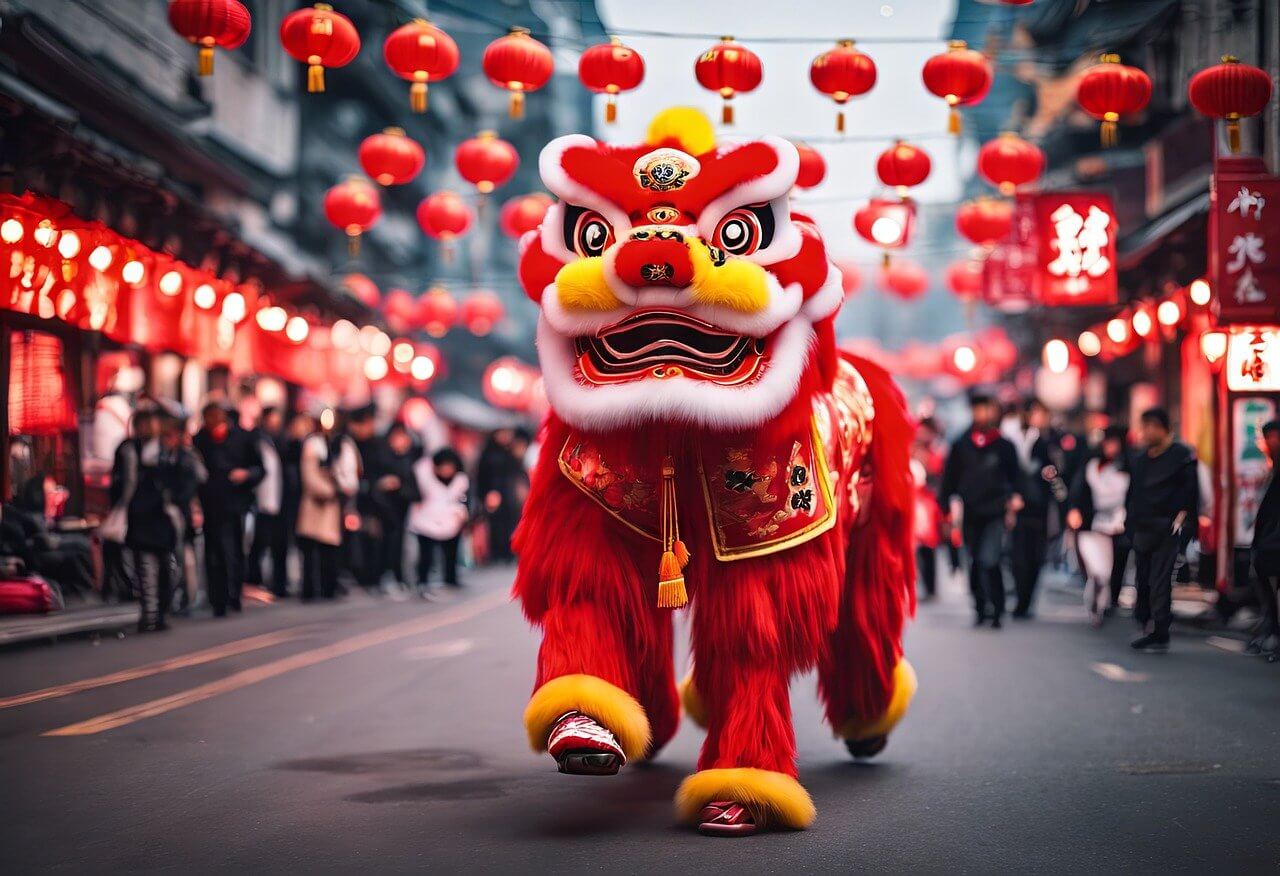
Historical Significance of Chinese Characters
The historical significance of Chinese characters can be traced back over 3,000 years, showcasing the rich cultural heritage embedded within each stroke and symbol. These characters not only serve as a form of communication but also represent a profound connection to China’s past https://www.yanzimandarin.com/, reflecting the evolution of its society, values, and beliefs.
Each character is a visual representation of ideas, objects, or sounds, offering a glimpse into the historical context in which they originated. Through the study of Chinese characters, individuals can gain insight into the ancient traditions, philosophies, and artistic expressions that have shaped Chinese culture.
Embracing the complexity and beauty of these characters allows for a deeper appreciation of the freedom of expression found within the Chinese language.
Cultural Nuances in Mandarin Pronunciation
Exploring the intricacies of Mandarin pronunciation reveals cultural nuances essential for understanding Chinese communication. In Mandarin, tones play a crucial role in distinguishing the meanings of words, reflecting the importance of intonation in Chinese culture.
The use of tones not only affects the semantic meaning but also conveys emotions and attitudes, adding layers of subtlety to conversations. Additionally, the pronunciation of certain sounds in Mandarin, such as the retroflex consonants common in Beijing dialect, can indicate regional identities.
Understanding these nuances in pronunciation is key to grasping the nuances of Chinese culture and effectively communicating with native speakers. Mastery of Mandarin pronunciation not only aids in language learning but also deepens appreciation for the rich cultural tapestry of China.
Traditional Chinese Calligraphy and Art
Continuing our exploration of Chinese cultural intricacies, delving into Traditional Chinese Calligraphy and Art unveils profound insights into the artistic expressions that resonate with the essence of Chinese heritage.
Traditional Chinese calligraphy, with its intricate brush strokes and deep cultural significance, serves as a visual representation of the values and beliefs held dear in Chinese society. Each stroke carries meaning beyond its literal representation, embodying centuries of tradition and philosophy.
Chinese art, whether in the form of paintings, ceramics, or sculptures, encapsulates the beauty and harmony revered in Chinese aesthetics. By immersing oneself in the world of Traditional Chinese Calligraphy and Art, one can gain a deeper appreciation for the rich cultural tapestry that has shaped Chinese civilization for millennia.
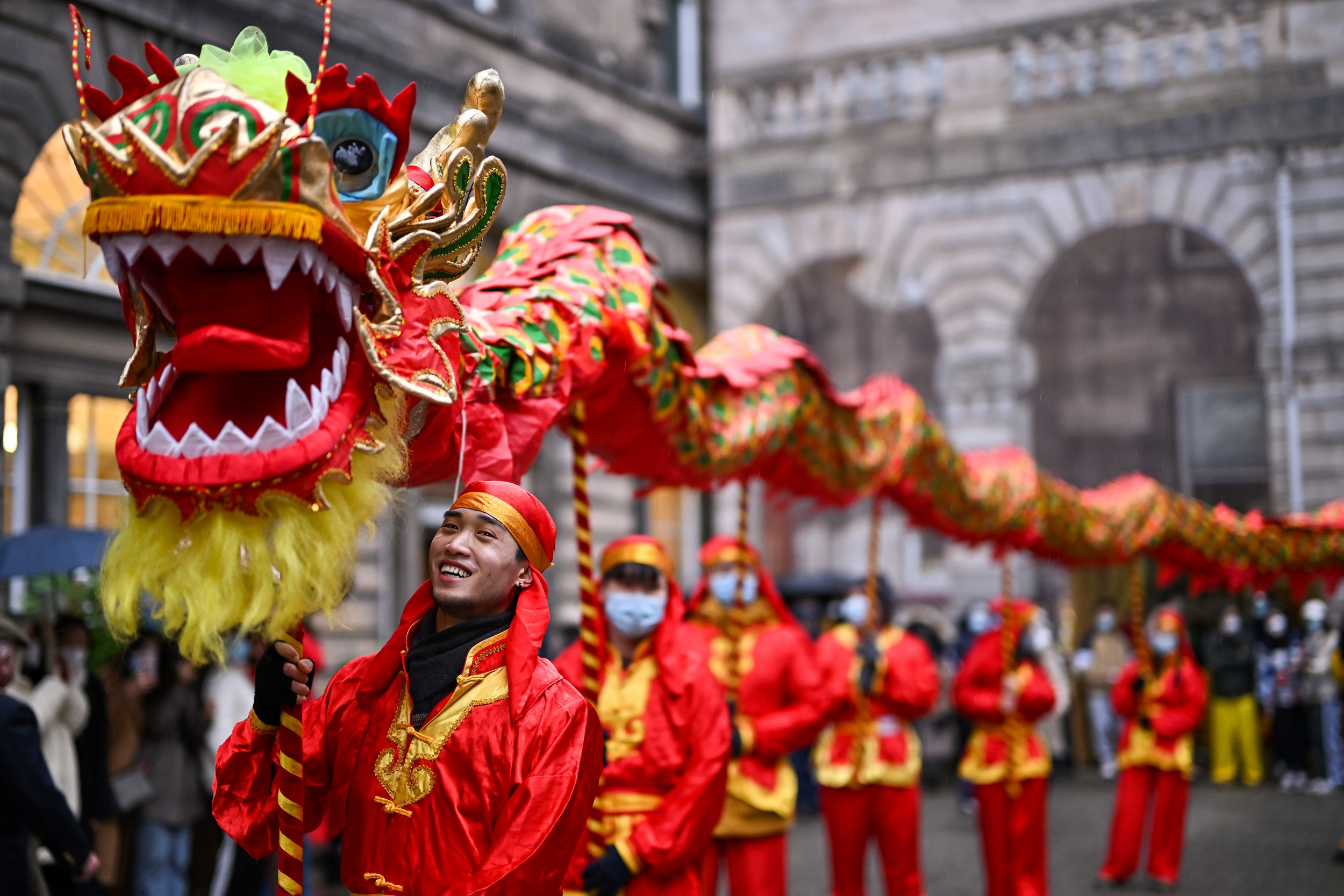
Etiquette and Social Customs in Chinese Language
Delving into the intricacies of Chinese language reveals a tapestry of etiquette and social customs deeply intertwined with linguistic nuances. Politeness is highly valued in Chinese culture, with expressions like ‘谢谢’ (xièxiè) meaning ‘thank you’ being essential in daily interactions.
Respect for elders is paramount, as shown through the use of specific honorifics such as ‘阿姨’ (āyí) for aunt and ‘叔叔’ (shūshu) for uncle. Understanding the concept of ‘面子’ (miànzi), or saving face, is crucial to navigate social situations gracefully.
Gift-giving is a common practice to show appreciation, with items like tea or fruit symbolizing good intentions. Learning these customs enriches language skills and fosters deeper cultural understanding.
Festivals and Celebrations in Chinese Society
An integral aspect of Chinese society is the rich tapestry of festivals and celebrations that punctuate the cultural calendar. These events showcase the vibrant traditions, values, and history of the Chinese people.
Among the most famous festivals is the Spring Festival, also known as Chinese New Year, which symbolizes new beginnings and family reunion. The Mid-Autumn Festival, or Mooncake Festival, celebrates unity and harmony with loved ones under the full moon.
Other significant celebrations include Qingming Festival for honoring ancestors, Dragon Boat Festival for commemorating ancient poet Qu Yuan, and Lantern Festival to mark the end of Chinese New Year.
These festivals not only offer a glimpse into Chinese culture but also foster a sense of community and shared heritage.
Conclusion
In conclusion, exploring Chinese culture through language learning offers a rich understanding of the historical significance of Chinese characters. It also provides insights into cultural nuances in Mandarin pronunciation, traditional Chinese calligraphy, and art. Additionally, learners can uncover etiquette and social customs, as well as festivals and celebrations in Chinese society.
By delving into these aspects, individuals can gain a deeper appreciation for the complexities and beauty of Chinese culture.