

The integration of AI and machine learning in Chinese language learning has revolutionized traditional methods of language acquisition chinese enrichment class. By harnessing the power of advanced technologies, learners are presented with innovative tools that evaluate proficiency across various linguistic aspects. These tools not only provide personalized feedback but also offer tailored learning recommendations to enhance language skills. The utilization of virtual language tutors and chatbots, coupled with adaptive curriculum planning systems, creates a dynamic learning environment. This shift towards technology-driven language education holds promise for learners seeking efficient and interactive ways to master the complexities of the Chinese language.

AI-Powered Language Assessment Tools
AI-Powered Language Assessment Tools have revolutionized the way proficiency in the Chinese language is evaluated, offering precise and data-driven insights into learners’ language skills. These tools utilize artificial intelligence and machine learning algorithms to assess various aspects of language proficiency, including vocabulary, grammar, pronunciation https://www.yanzimandarin.com/, and comprehension. By analyzing large datasets of language patterns and learner interactions, these tools can provide detailed feedback on strengths and areas for improvement.
One key advantage of AI-powered assessment tools is their ability to offer personalized learning experiences based on individual performance. Through continuous evaluation and feedback, learners can track their progress and tailor their study plans to focus on areas where they need the most improvement. Additionally, these tools can adapt to each learner’s pace and learning style, ensuring a more effective and engaging learning experience.
Personalized Learning Recommendations
Enhancing Chinese language learning through tailored recommendations based on individual proficiency levels and learning preferences is a pivotal aspect of personalized learning strategies. By leveraging AI and machine learning algorithms, personalized learning platforms can analyze a learner’s performance data, such as vocabulary mastery, reading comprehension, and listening skills, to provide targeted recommendations for study materials, practice exercises, and learning paths.
These recommendations are not only based on the learner’s current proficiency level but also take into account their preferred learning styles and interests. For example, a visual learner may receive suggestions for interactive language games or video lessons, while an auditory learner may be directed towards podcasts or audio resources. By tailoring learning recommendations to individual needs, learners are more likely to stay engaged, motivated, and make significant progress in their Chinese language acquisition journey.
Furthermore, personalized learning recommendations can adapt and evolve as the learner progresses, ensuring that the content remains challenging yet achievable. This dynamic approach to Chinese language learning not only enhances the learning experience but also maximizes the effectiveness of study efforts.
Real-Time Pronunciation Feedback Systems
Tailored recommendations for Chinese language learners can further enhance their proficiency by integrating real-time pronunciation feedback systems, revolutionizing the way learners refine their speaking skills. These systems utilize AI algorithms to analyze users’ pronunciation accuracy instantly, providing immediate feedback on tones, intonation, and overall pronunciation. By leveraging speech recognition technology, real-time pronunciation feedback systems offer learners precise insights into their spoken Chinese, helping them correct errors efficiently.
One key advantage of real-time pronunciation feedback systems is their ability to offer personalized guidance based on individual learning needs. Through continuous assessment and targeted feedback, learners can focus on specific areas for improvement, such as mastering challenging tones or refining complex sounds unique to the Chinese language. Additionally, the instant nature of this feedback fosters a dynamic learning environment, where learners can practice speaking Chinese with confidence and receive real-time corrections.
Virtual Language Tutors and Chatbots
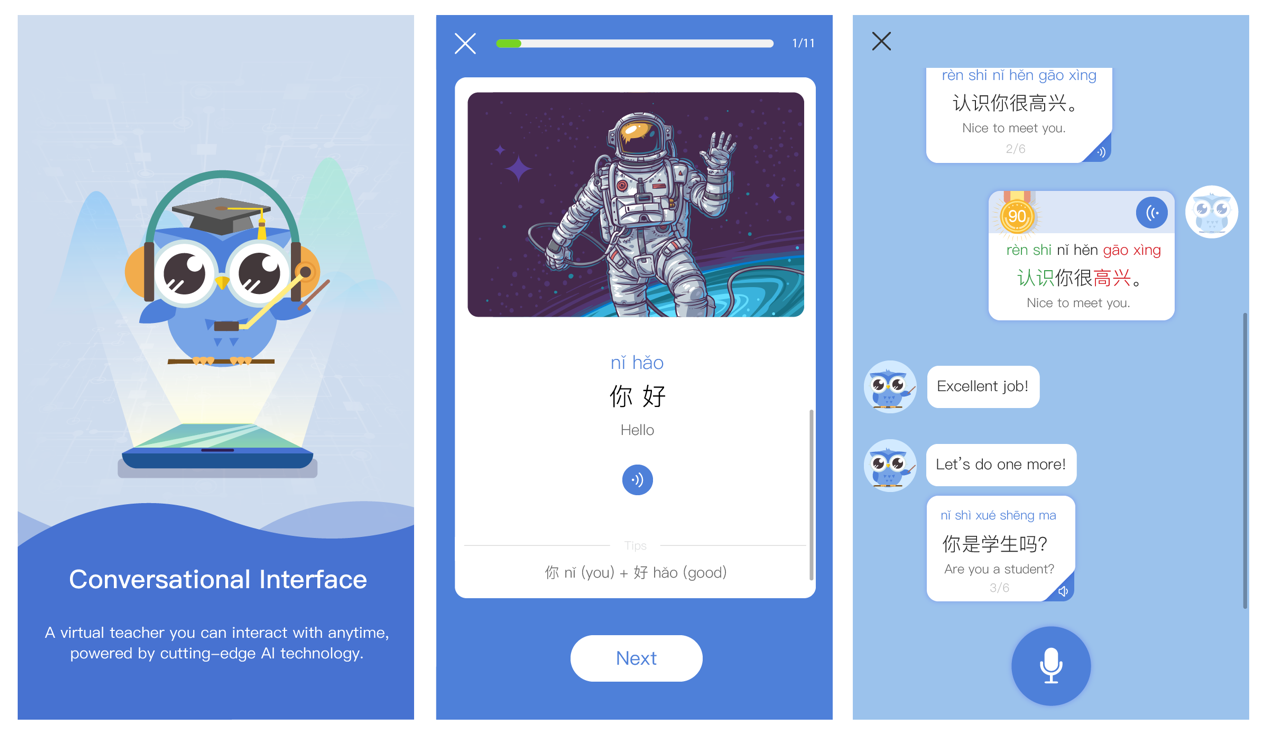
Virtual language tutors and chatbots have emerged as innovative tools in the realm of Chinese language learning, offering learners personalized guidance and interactive learning experiences. These AI-powered systems provide students with the opportunity to practice conversation, receive instant feedback, and engage in real-life scenarios in a virtual environment. By leveraging natural language processing and machine learning algorithms, virtual language tutors can adapt to the individual needs of learners, tailoring exercises and lessons to focus on areas that require improvement. Chatbots, on the other hand, offer a conversational interface that simulates interactions with a native Chinese speaker, allowing learners to practice their language skills in a low-pressure environment.
One of the key advantages of virtual language tutors and chatbots is their availability anytime, anywhere, providing learners with the flexibility to practice Chinese at their own pace. Additionally, these tools can track progress, identify patterns in learning, and offer personalized recommendations to enhance the learning experience. As technology continues to advance, virtual language tutors and chatbots are poised to play an increasingly significant role in Chinese language education, offering a dynamic and interactive approach to language learning.
Adaptive Curriculum Planning Systems
The integration of adaptive curriculum planning systems into Chinese language learning platforms revolutionizes the educational landscape by dynamically customizing learning paths based on individual learner progress and needs. These systems leverage AI and machine learning algorithms to analyze learners’ performance data, identify strengths and weaknesses, and tailor personalized learning plans. By continuously adapting to the learner’s pace and proficiency level, these systems ensure efficient and effective learning experiences.
Adaptive curriculum planning systems employ sophisticated data analytics to track learners’ progress, assess their comprehension of Chinese language concepts, and recommend appropriate learning materials and exercises. This personalized approach enhances engagement, motivation, and ultimately, learning outcomes. Moreover, these systems enable educators to monitor individual student progress more effectively, providing valuable insights for targeted interventions and support.
Conclusion
Incorporating AI and machine learning into Chinese language learning has revolutionized the way students engage with the language. The use of advanced language assessment tools, personalized learning recommendations, real-time pronunciation feedback systems, virtual language tutors, and adaptive curriculum planning systems has created a dynamic and personalized learning environment.
This innovative approach not only enhances learning outcomes but also increases student engagement and proficiency in Chinese language education.